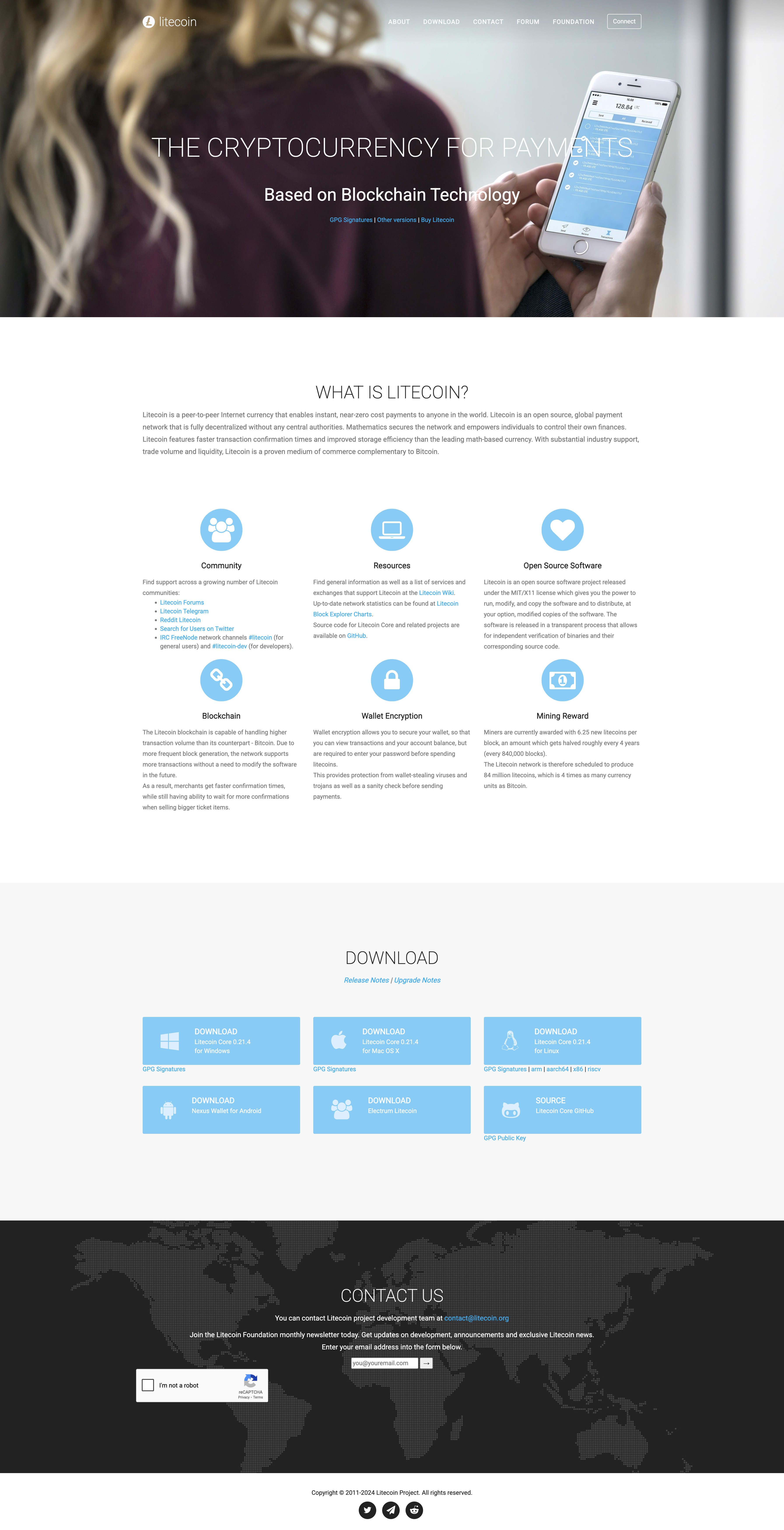
In the realm of cryptocurrencies, Litecoin (LTC) stands out as one of the earliest and most well-known altcoins. Launched in 2011 by Charlie Lee, a former Google engineer, Litecoin was designed to provide a peer-to-peer digital currency that could serve as a "lighter" version of Bitcoin, thus facilitating faster transactions at lower costs. This article explores the origins, features, advantages, challenges, and future prospects of Litecoin, highlighting its significance in the ever-evolving cryptocurrency landscape.
Background
The inception of Litecoin came at a time when Bitcoin was gaining traction as the first cryptocurrency but faced scalability issues. Charlie Lee recognized that Bitcoin transactions could take considerable time and involve substantial fees, particularly during periods of high demand. His vision was to create a cryptocurrency that addressed these shortcomings.
Launch and Development
Litecoin was launched on October 7, 2011, with a unique set of features differentiating it from Bitcoin. One of its most notable characteristics is the use of the Scrypt hashing algorithm, which requires more memory but allows for quicker block generation times. This innovation aimed to facilitate faster transaction confirmations, making Litecoin more usable for everyday transactions.
1. Scrypt Algorithm
Litecoin's use of the Scrypt algorithm significantly affects its mining process. Unlike Bitcoin, which uses the SHA-256 algorithm, Scrypt is designed to be more memory-intensive. This design choice helps mitigate the dominance of specialized mining hardware, allowing ordinary users with standard computers to mine Litecoin.
2. Faster Block Generation Times
Litecoin boasts a block generation time of approximately 2.5 minutes, compared to Bitcoin's 10 minutes. This expedited transaction confirmation enables faster processing of transfers and is especially advantageous in situations requiring quick settlements.
3. Lower Transaction Fees
The transaction fees associated with Litecoin are typically lower than those of Bitcoin. This affordability makes Litecoin more attractive for smaller transactions and enhances its utility as a medium of exchange.
4. Capped Supply
Similar to Bitcoin, Litecoin has a capped supply, with a maximum of 84 million coins to be mined. This scarcity can contribute to the coin's value over time, as increasing demand for a limited supply might drive prices upward.
5. Litecoin's Community and Development
Litecoin has a passionate and committed community that actively contributes to its development and promotion. Being an open-source project, developers from around the world contribute code and ideas, ensuring that Litecoin remains innovative and relevant.
1. Established History and Trust
As one of the oldest cryptocurrencies, Litecoin has established a reputation as a reliable and trustworthy digital asset. Its longevity in the market has garnered a substantial user base and mainstream recognition.
2. Liquidity and Availability
Litecoin enjoys high liquidity, making it easier for traders to buy and sell the asset. It is listed on numerous exchanges worldwide, providing users with various options for trading, whether for investment or everyday transactions.
3. Versatile Use Cases
Litecoin serves multiple use cases, including online purchases, remittances, and microtransactions. Its low fees and fast transaction speeds make it a suitable option for everyday commerce, enabling users to send money quickly and affordably.
4. Strong Development Team
The Litecoin Foundation, led by experienced developers, actively promotes and improves the protocol. The team continually works on technological advancements and emphasizes the importance of security and scalability.
5. Integration with Payment Platforms
Litecoin has garnered partnerships with several payment processors, allowing merchants to accept LTC as a payment option. This integration facilitates ease of use and broadens the cryptocurrency's appeal within the business community.
1. Bitcoin's Testing Ground
Litecoin has often served as a testing ground for features that eventually find their way onto Bitcoin. For instance, improvements like the Lightning Network, which aims to increase the scalability of blockchain networks, have been trialed on Litecoin ahead of implementation on Bitcoin.
2. Promoting Cryptocurrency Adoption
Litecoin actively promotes cryptocurrency adoption and acts as a bridge between the general public and more complex blockchain technologies. Its simpler approach allows new users to enter the space without the steep learning curve associated with some alternative cryptocurrencies.
3. Investor Interest
Litecoin remains a popular choice for investors looking for cryptocurrency exposure beyond Bitcoin. Its established history and potential for value appreciation attract a diverse range of investors, from retail to institutional.
4. Payment Solutions
The integration of Litecoin into various payment solutions has facilitated its adoption for everyday transactions. Several businesses now accept LTC, making it a viable option for consumers looking to use cryptocurrencies for daily purchases.
1. Market Competition
Despite its advantages, Litecoin faces stiff competition from numerous cryptocurrencies, including Ethereum, Ripple, and newer entrants that claim to offer superior technology. This competition could impact Litecoin's market position and growth potential.
2. Scaling Issues
While Litecoin has faster transaction speeds than Bitcoin, it still encounters scalability issues similar to those affecting Bitcoin. As adoption increases, the network may face congestion, leading to potentially slower transaction times and higher fees.
3. Regulatory Challenges
Cryptocurrencies, including Litecoin, face regulatory scrutiny from governments around the world. As regulatory frameworks develop, compliance with new laws may pose challenges or negatively impact Litecoin's operations and market perception.
4. Dependence on Bitcoin
Litecoin's price often correlates with Bitcoin's price movements. In bear markets, Litecoin can experience significant drops due to market sentiments. This dependence could affect its independent growth and adoption rates.
5. Technological Evolution
While Litecoin has established itself, the rapid evolution of blockchain technology means that it must continuously adapt to stay relevant. Failure to innovate could lead to a decline in interest and usage over time.
1. Adoption of Layer 2 Solutions
With the growing emphasis on transaction scalability, the adoption of Layer 2 solutions such as the Lightning Network could enhance Litecoin's efficiency further. These solutions aim to increase transaction speeds and lower costs, ensuring that Litecoin can handle increased user demand.
2. Increased Institutional Interest
As more institutional investors enter the blockchain space, Litecoin's established history and trusted reputation could attract significant investments. This interest could drive up demand and subsequently increase its market value.
3. Partnerships and Collaborations
Continued partnerships with payment processors and businesses will be crucial for expanding Litecoin's use cases and acceptance as a payment method. Such collaborations can enhance its visibility and utility in everyday transactions.
4. Technological Advancements
Ongoing development and upgrades will be essential to ensure Litecoin remains competitive. Enhancements in privacy features, transaction throughput, and user experience could help maintain its relevance in the cryptocurrency market.
5. Community Engagement
The strength of the Litecoin community will play a vital role in its future. Active engagement, educational efforts, and advocacy can promote the benefits of Litecoin and encourage broader adoption among users and businesses.
Litecoin has carved a unique niche within the cryptocurrency ecosystem as a reliable, fast, and cost-effective alternative to Bitcoin. Its early adoption, continuous development, and strong community support have positioned it favorably amid the growing market of digital assets. As the cryptocurrency landscape continues to evolve, Litecoin's adaptability, technological advancements, and commitment to promoting adoption will determine its path forward.
While challenges remain, including competition, regulatory scrutiny, and technological demands, Litecoin's potential for growth and innovation makes it a significant player in the cryptocurrency arena. For investors, users, and developers alike, Litecoin offers a compelling opportunity to engage with a time-tested and valuable digital currency that occupies a prominent spot in the fast-paced world of blockchain technology.

Mobirise